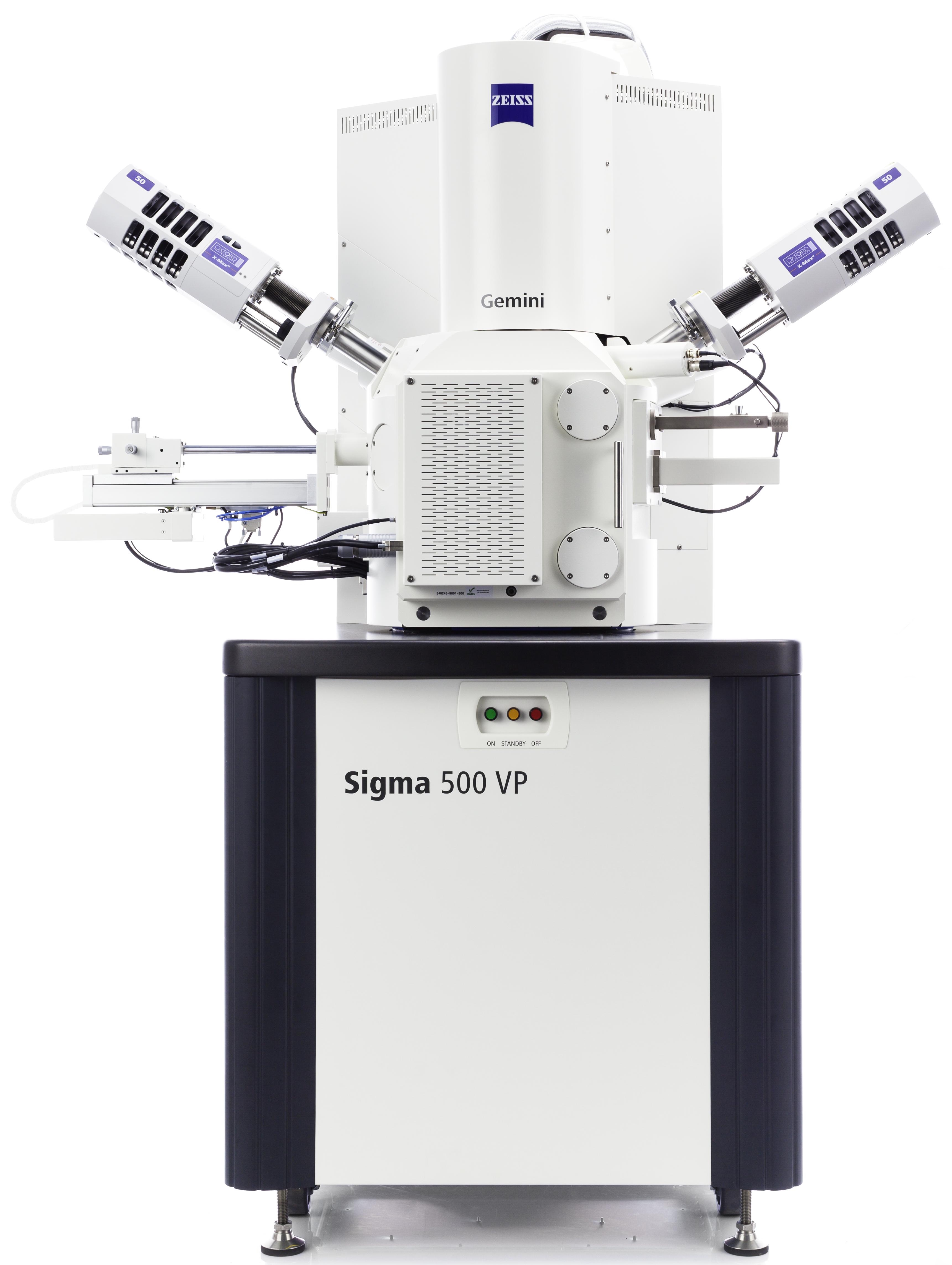
Field Emission Scanning Electron Microscopy (FE-SEM) is a high-resolution imaging technique that uses a focused beam of electrons to scan the surface of a sample, producing detailed images of its morphology and topography at the nanoscale. When coupled with Energy Dispersive X-ray spectroscopy (EDX), it also provides elemental composition by detecting characteristic X-rays emitted from the sample, allowing both structural and chemical analysis in a single experiment.
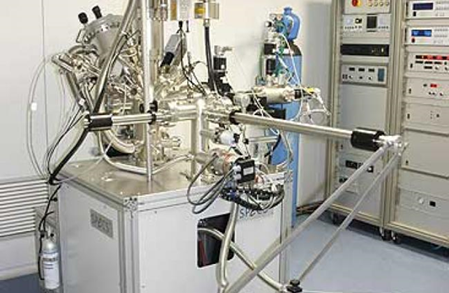
X-ray Photoelectron Spectroscopy (XPS) is a highly surface-sensitive analytical technique that measures the elemental composition and chemical states of elements present within the top 1-10 nanometers of a material. By irradiating the sample with X-rays and measuring the kinetic energy of emitted photoelectrons, it provides critical insights into oxidation states, surface chemistry and bonding environments.
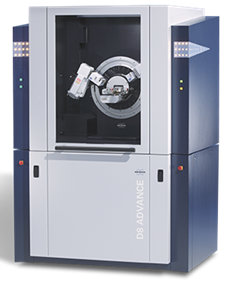
XRD is a powerful technique used to identify the crystalline structure, phase composition, and crystallite size of materials. When X-rays interact with a crystalline lattice, they undergo constructive interference, producing a distinct diffraction pattern that acts as a "fingerprint" for the substance, allowing for the precise identification of mineralogical or synthetic crystalline phases.
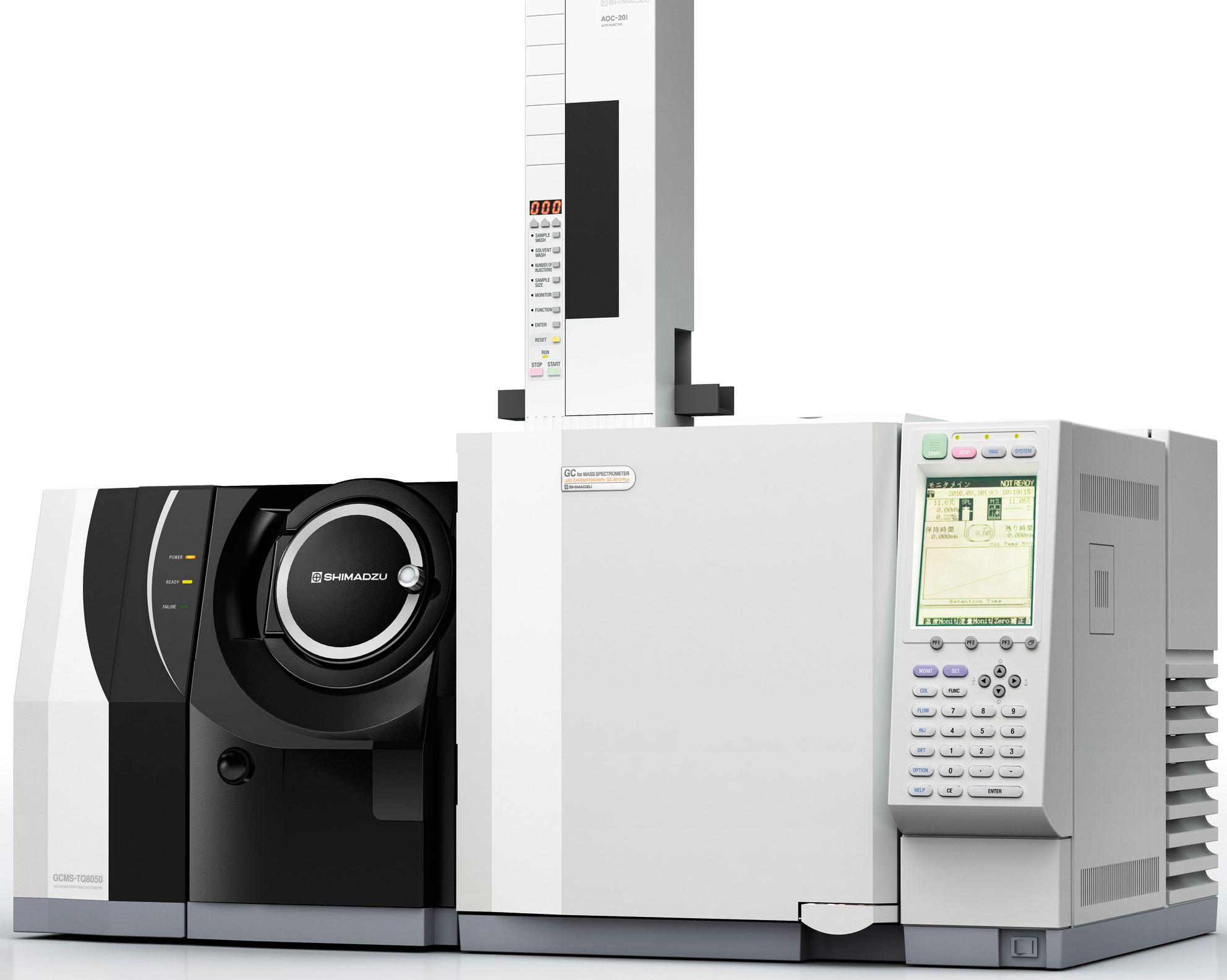
GC-MS combines the separation power of gas chromatography with the identification capability of mass spectrometry to analyze complex mixtures. While the GC separates volatile compounds based on their chemical properties, the MS identifies them by their mass-to-charge ratios, making this technique the definitive tool for identifying unknown components and quantifying trace levels of organic substances.
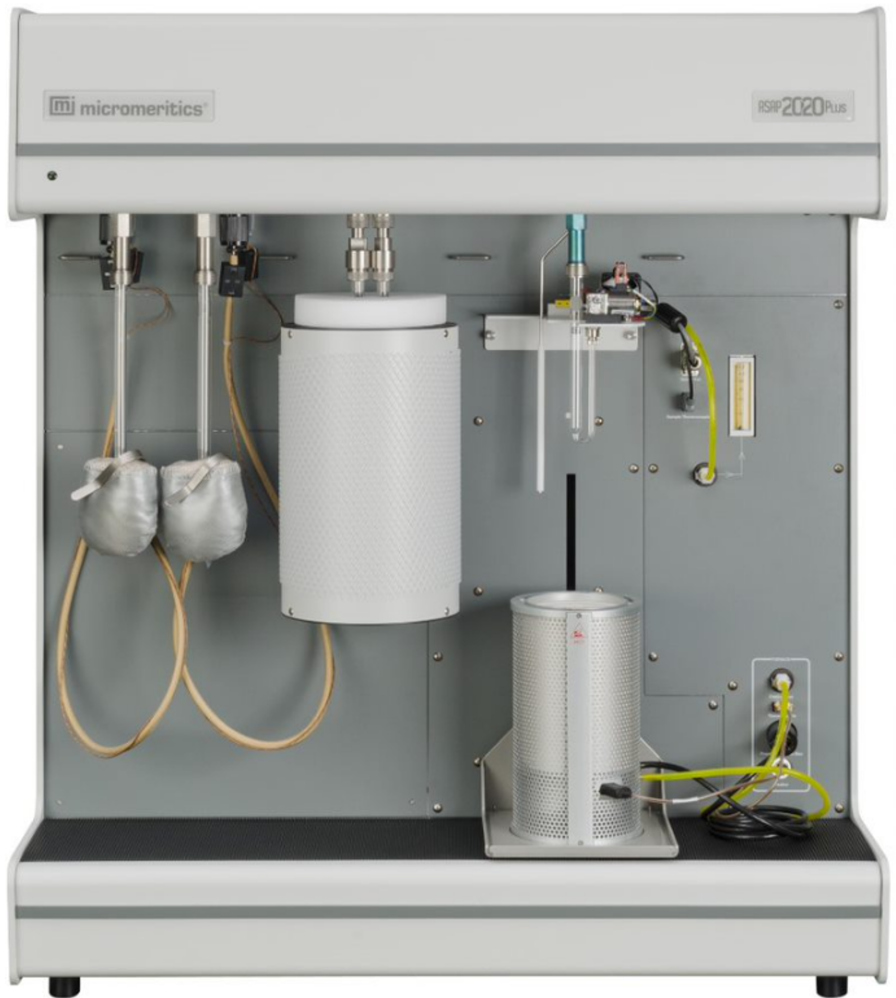
The Brunauer–Emmett–Teller (BET) method is used to determine the specific surface area of porous materials by measuring the physical adsorption of gas molecules, typically nitrogen, onto the sample surface at cryogenic temperatures. By analyzing the adsorption isotherms, it quantifies the total surface area, providing essential data for understanding catalytic activity, gas storage, and adsorption capacity.
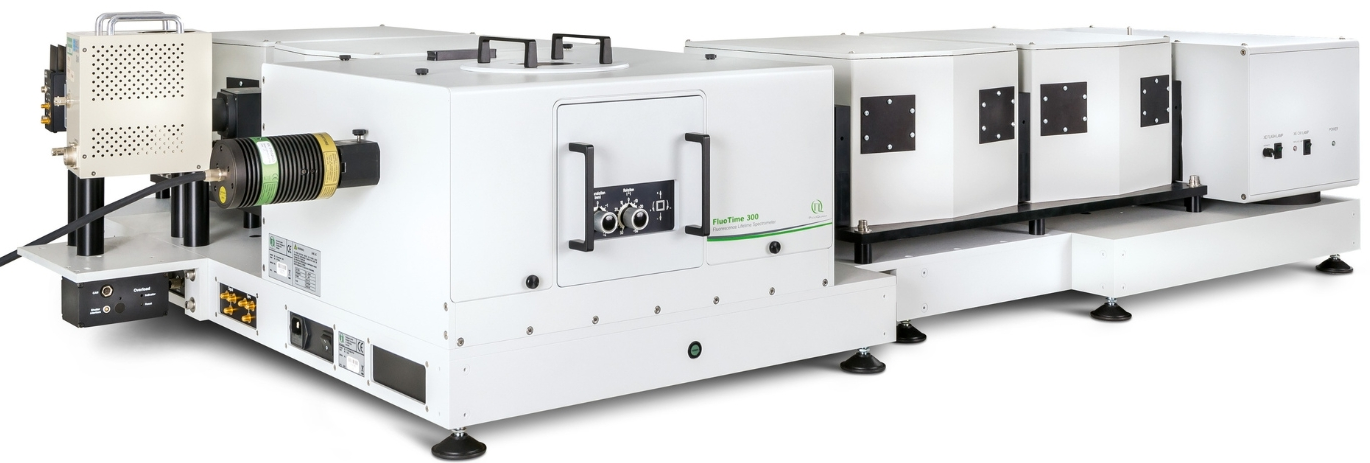
PL is a non-destructive optical technique used to probe the electronic structure and crystalline quality of materials. By absorbing high-energy photons, electrons within a sample are excited to higher states, subsequently emitting light as they relax back to their ground state. Analyzing the intensity and wavelength of this emitted light allows researchers to precisely determine bandgap energies and identify the presence of structural defects or impurities. This makes PL an essential diagnostic tool for characterizing semiconductors and advanced catalytic materials.
Thermogravimetric Analysis (TGA) measures changes in a material’s mass as a function of temperature or time under a controlled atmosphere. It is commonly used to assess thermal stability, decomposition behavior, moisture content, and compositional changes in materials.

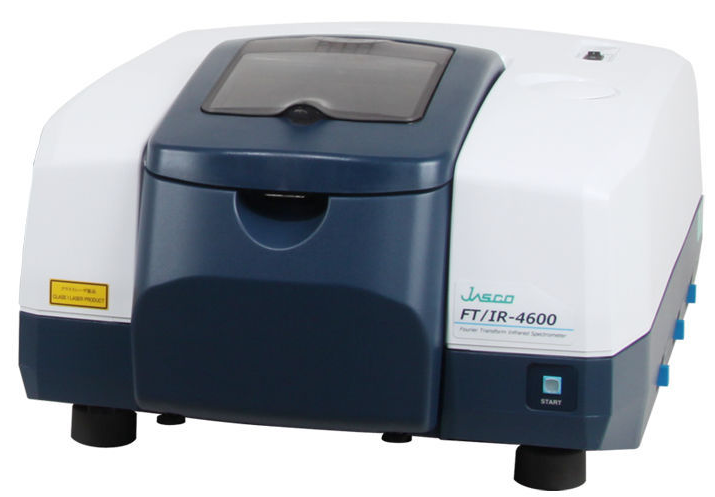
FTIR identifies chemical bonds and functional groups in a material by measuring its absorption of infrared radiation. As specific chemical bonds within a molecule vibrate at characteristic frequencies, the resulting spectrum provides a unique molecular signature, making it ideal for identifying functional groups and determining chemical purity.
UV-Vis spectroscopy measures the absorption or transmission of light in the ultraviolet and visible regions of the electromagnetic spectrum. It is primarily used to quantify the concentration of analytes in solution and to investigate electronic transitions in molecules, such as those in conjugated systems or metal complexes, which is crucial for assessing optical properties and bandgap energies.
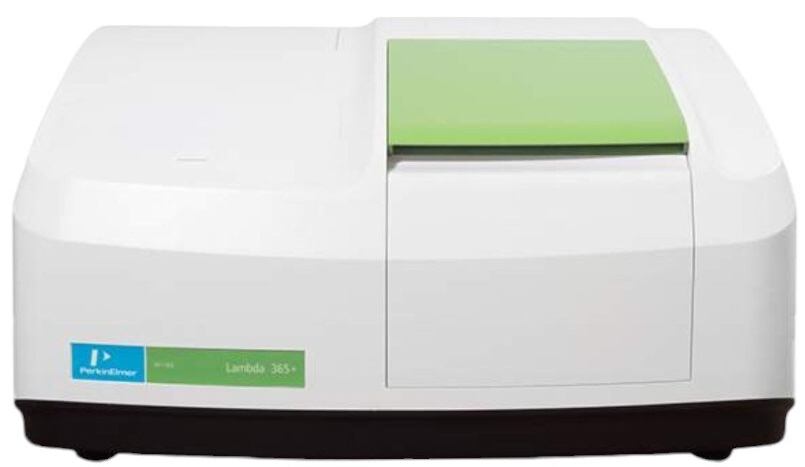
DRS is a variation of UV-Vis spectroscopy designed specifically for analyzing opaque or light-scattering solid samples, such as powders. By measuring the light reflected from the sample surface in all directions, it provides accurate information regarding absorption properties, electronic structure, and the optical bandgap of semiconducting materials, which is particularly useful for photocatalytic and pigment studies.
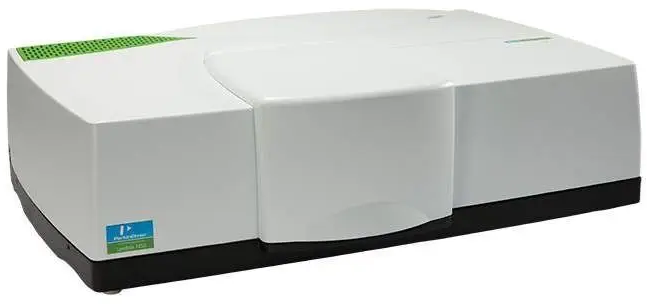
DSC measures the difference in the amount of heat required to change the temperature of a sample and a reference as a function of temperature. It detects phase transitions, such as melting, crystallization, glass transitions, and curing reactions, by identifying endothermic or exothermic peaks, which are essential for determining the thermal properties and processing windows of materials.
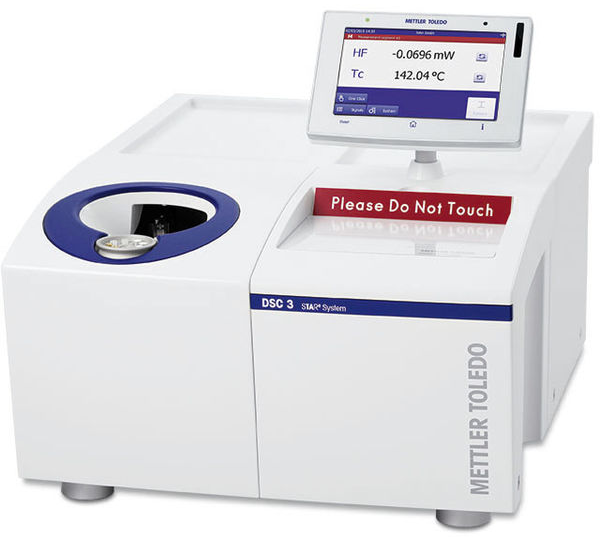
Cyclic Voltammetry (CV) is an electrochemical technique where the potential of an electrode is cycled while measuring the resulting current. It is used to study redox reactions, reaction kinetics, and electrochemical properties of materials.
Electrochemical Impedance Spectroscopy (EIS) characterizes the electrical properties of electrochemical systems by applying a small alternating current (AC) signal over a wide range of frequencies. By analyzing the resulting impedance response, it provides detailed information on internal resistances, capacitance, and charge-transfer kinetics, making it an essential tool for evaluating batteries, fuel cells, and corrosion processes.
Current-Voltage Characteristics (IV) measurements analyze how electrical current varies with applied voltage across a material or device. This technique is essential for evaluating electrical properties such as conductivity, resistance, and performance of electronic and photovoltaic devices.
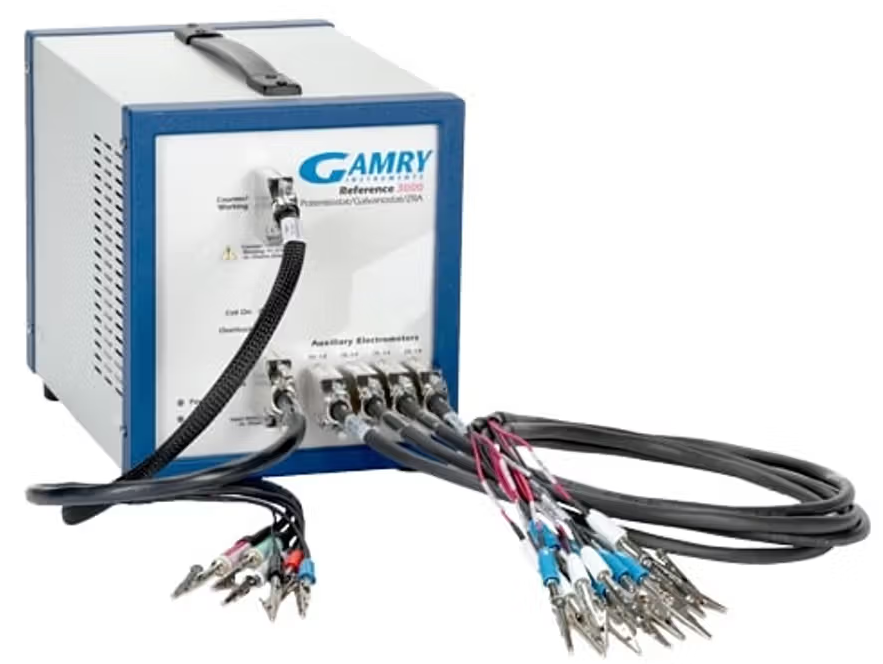
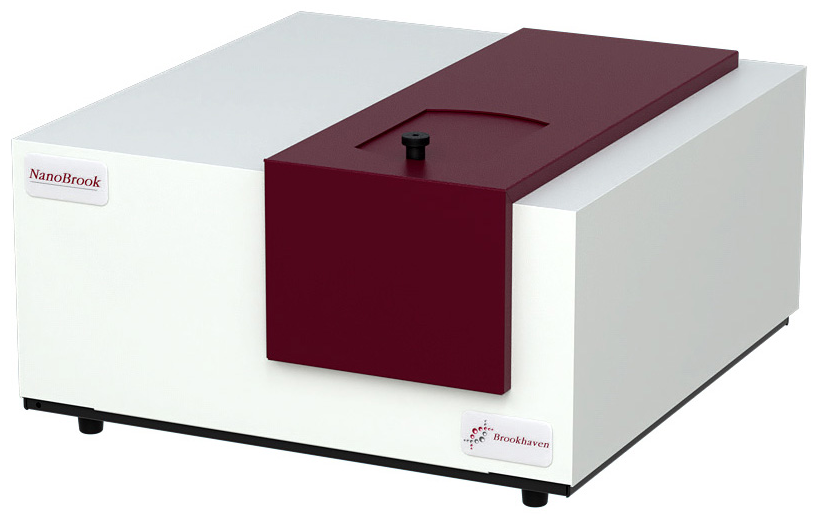
Zeta Potential Analysis measures the surface charge of particles in a suspension, which indicates their stability and tendency to aggregate. It is widely used in colloidal chemistry, nanotechnology, and formulation science to assess dispersion stability.
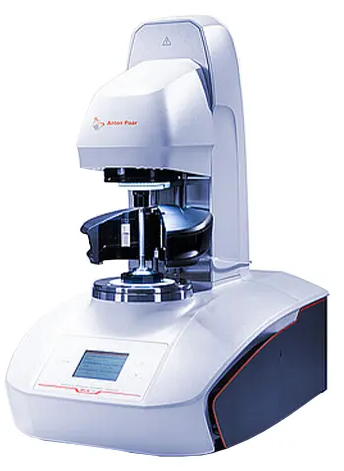
Rheological testing uses a rheometer to measure the flow and deformation behavior of materials under applied stress or strain. It provides information about viscosity, elasticity, and viscoelastic properties, which are important for polymers, suspensions, and industrial formulations.